As Amazon Associates, we earn from qualifying purchases. This means we may receive a small commission at no extra cost to you if you click through and make a purchase.
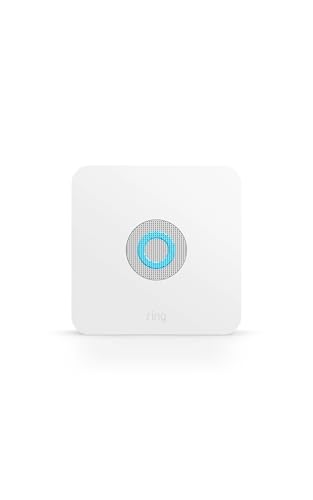
The Ring Alarm Base Station serves as the central brain and communications bridge for an entire modular home security network. When beginners research the ring base station pro to protect a new residence, understanding the central hub is the most critical starting step. This second-generation hardware unit links every door contact, motion sensor, and keypad directly to your home network and personal mobile devices. Our comprehensive evaluation confirms that this base station delivers dependable emergency signaling, straightforward mobile onboarding, and robust fail-safes, representing an outstanding foundation for modern residential security.
This hardware suits first-time homeowners, apartment residents, and gift-givers who want an approachable, expandable security setup without complicated hardwired installation. However, shoppers searching for an all-in-one standalone security camera or those who expect detection sensors and control keypads to come bundled directly in the single package should look at broader equipment bundles instead.
Ring Alarm Base Station at a Glance

| Feature | Specification Detail |
|---|---|
| Device Category | Central security hub and wireless communication bridge |
| Hardware Generation | Ring Alarm Base Station 2nd Gen architecture |
| Internal Siren Output | 104 dB audio alert |
| Power Outage Protection | Built-in backup battery lasting up to 24 hours |
| Physical Tamper Defense | Smash-proof signal retention during entry delay countdown |
| Setup Architecture | Plug-in installation managed through the Ring mobile application |
| Voice Integration | Amazon Alexa voice arming and disarming with subscription |
| Peripheral Compatibility | Ring Alarm contact sensors, motion detectors, and keypad (sold separately) |
| Subscription Capabilities | Cellular internet backup and 24/7 professional monitoring with Ring Protect |
Acoustic Alerting and Siren Performance
The primary duty of any home security bridge is sounding an immediate, unmistakable alarm during unauthorized entry, and the built-in 104 dB siren inside this base station delivers impressive acoustic authority. For first-time users, 104 decibels roughly equals the sound intensity of a gas lawnmower running right beside you or an active construction site. This high-output volume ensures that occupants are instantly alerted from deep sleep across multiple rooms, while simultaneously warning intruders that their presence has been detected.
Because the siren is built directly into the central hub, you do not need to install secondary external noisemakers just to hear an intrusion event. When paired with detection peripherals, the ring alarm base station siren sounds off immediately upon unauthorized door openings, detected motion in guarded areas, or glass breakage. The sudden, piercing frequency is intentionally sharp, creating an immediate psychological deterrent designed to encourage intruders to exit the premises without delay.
Homeowners can customize how the siren responds based on home modes configured inside the mobile app. You can adjust entry delay countdowns to give family members enough time to walk inside and disarm the system before the full acoustic alert engages. This level of customization strikes a careful balance between aggressive intrusion deterrence and everyday convenience for busy households with children or pets.
Power Outage Protection and Tamper Safeguards
A frequent anxiety for smart home newcomers is what happens to their security perimeter when severe weather strikes or an electrical breaker trips. The ring base station backup battery directly resolves this worry by maintaining full internal device operation for up to 24 hours following an electrical outage. If a storm cuts power to your neighborhood, the internal lithium battery seamlessly engages without rebooting the system or dropping active sensor connections.
In addition to battery security, the hub features dedicated smash-proof engineering designed to defeat determined intruders. In traditional legacy alarms, an intruder might kick open a doorway and immediately attempt to destroy the buzzing base station before the countdown delay completes. Ring addresses this tactic through clever communication protocols: the moment an entry delay begins, the system registers the event in the network cloud. If an intruder smashes the base unit during that countdown, the security signal still transmits and sounds the alarm.
For even greater operational continuity, homeowners can pair the hub with an optional Ring Protect plan. When subscribed, the system gains cellular internet backup that activates if your residential Wi-Fi service drops out. Combining 24 hours of internal battery power with optional cellular connectivity ensures that the base station keeps your perimeter secure against both natural power disruptions and deliberate line-cutting attempts.
Peripheral Expansion and Ecosystem Compatibility
The base unit operates as an empty canvas until you pair it with modular hardware, making ring alarm base station compatibility a core consideration for prospective buyers. Out of the box, the unit communicates with a diverse family of Ring safety sensors, all available separately. You can link basic magnetic contact sensors for primary entrance doors and windows, passive infrared motion detectors for hallways, and specialized acoustic sensors tuned to detect shattering window glass.
Beyond standard intrusion detection, the hub integrates environmental hazard monitors, including compatible smoke and carbon monoxide listeners. This allows a homeowner to transform a basic burglar alarm into an all-around domestic monitoring network. While building out your front entryway hardware, the hub also complements exterior cameras such as the ring 4 video doorbell to give homeowners a unified view of outdoor and indoor activity from a single interface.
If you prefer a darker aesthetic for front porch fixtures, integrating a modern ring black doorbell into the broader application interface creates a harmonious smart security suite. Because all notifications filter into the same smartphone app, you avoid juggling multiple competing software programs. The base station anchors this ecosystem by ensuring that low-power sensors report their real-time status reliably across your floor plan.
Unboxing and Mobile App Setup
For shoppers worried about complex technical configurations, ring alarm base station setup is deliberately engineered for complete beginners. Everything required for basic physical placement comes neatly packaged inside the box. You simply plug the power adapter into a standard electrical outlet, position the unit on a flat tabletop or shelf in a central room, and download the free Ring application to your mobile phone or tablet.
The mobile setup wizard provides step-by-step illustrated instructions that guide you through connecting the base station to your local Wi-Fi network. During this stage, the app discovers the hub, installs any pending software updates, and prepares the internal radio to link with your peripheral sensors. For first-time smart home creators, the absence of complicated network programming makes the unboxing experience entirely stress-free.
Proper physical placement plays an important role in long-term reliability. Setting the base station in a centralized room maximizes the wireless coverage reach across your home, ensuring distant window sensors communicate without interference. Homeowners managing extensive smart hardware setups, such as those utilizing the pro power kit ring systems require for specialized doorbell transformers, will appreciate how clean and straightforward the alarm hub installation remains by comparison.
Hardware Specifications and Long-Term Value
Examining the ring base station pro specs helps clarify what hardware capabilities are present and what components require additional investment. As a dedicated central bridge, the unit features compact desktop dimensions, low-profile status lights, and an integrated wireless receiver. It does not contain an onboard keypad or visual screen, relying instead on companion mobile apps or separately purchased physical keypads for direct interaction.
When asking is ring base station pro worth it, prospective owners must evaluate the value of modular security versus bundled packages. Because the base station does not ship with bundled entry sensors or a disarm keypad, the upfront purchase represents only the foundational starting block. Shoppers must factor in the additional acquisition of door contacts, motion detectors, and keypads tailored to the unique layout of their residence.
Despite the separate peripheral requirements, the hardware delivers exceptional long-term flexibility. Unlike rigid pre-packaged kits that force you into unwanted components, purchasing the central ring pro base station lets you customize detection precisely where your home needs it. Furthermore, pairing the system with an optional Ring Protect subscription unlocks 24/7 professional monitoring, giving families access to police, fire, and medical emergency dispatch services without contractual lock-ins.
Smart Voice Controls and App Management
Daily control of the alarm system is intuitive enough for all household members, regardless of technical background. The mobile application organizes your home into three distinct security states: Disarmed, Home, and Away. In Disarmed mode, interior sirens remain silent while perimeter sensors can emit gentle door chimes. In Home mode, exterior door and window sensors stay armed while interior motion detectors remain inactive so residents can walk freely at night.
Voice assistant integration further simplifies daily routines through Amazon Alexa compatibility. When paired with an active Ring Protect subscription, you can arm the system simply by speaking an Alexa voice command before heading to sleep or walking out the front door. You can also disarm the system using your voice paired with a designated personal spoken code, eliminating the need to rush across the room to a physical keypad.
The companion app also keeps an accurate digital log of all entry and exit events. Parents can check when a teenager arrives home from school, while travelers can verify that the property remains fully armed from across the country. This transparent activity timeline grants peace of mind without demanding tedious technical oversight.
Ring Alarm Base Station Pros and Cons
Two swatches, side by side. Everything on both sides is read from the product listing and from buyer feedback – nothing here comes from handling the product.
What works
- Piercing 104 dB built-in emergency siren
- Up to 24 hours internal battery backup
- Smash-proof signal retention during entry delay
- Simple plug-and-play setup via mobile app
- Seamless Amazon Alexa voice integration
- Extensive compatibility with modular Ring sensors
What to check
- Sensors and keypads sold separately
- Cellular backup requires paid subscription
- No integrated camera or video display
Who Should Buy the Ring Alarm Base Station
Buy It If
- You want a dependable, expandable smart security foundation that lets you choose exactly which sensors to buy over time.
- You need reliable power outage defense, thanks to an internal backup battery that lasts up to 24 hours.
- You prioritize loud, immediate acoustic deterrence via an integrated 104 dB emergency siren.
- You already use Ring mobile software or Amazon Alexa voice products inside your household.
Skip It If
- You want an all-in-one package that includes contact sensors and an entry keypad in a single box.
- You prefer a standalone smart camera system that operates without peripheral contact hardware.
- You do not want a hub-based architecture and prefer independent sensors that connect directly to home Wi-Fi without a central bridge.
Final Verdict
The Ring Alarm Base Station represents a remarkably polished, accessible core for anyone wanting to build a dependable DIY smart home defense system. By combining a loud 104 dB internal siren, up to 24 hours of battery backup, and clever smash-proof tamper signaling, the hardware provides genuine peace of mind against intrusion threats. Its clean plug-and-play installation makes it a welcoming choice for beginners who feel intimidated by complex smart home wiring.
While prospective buyers must remember to budget for separate sensors, keypads, and an optional Ring Protect plan for cellular backup, the modular freedom remains a major benefit. You never pay for unneeded components, and you can steadily expand your sensor network as your living space grows. For beginners, apartment dwellers, and gift-givers, this base station serves as an outstanding central pillar for home security.
FAQ
What happens to the base station if the home loses power
The base station contains an integrated rechargeable backup battery that automatically engages during a power outage. This internal power cell keeps the hub operating and communicating with paired sensors for up to 24 hours, ensuring your home remains fully guarded during blackouts.
Does the Ring Alarm Base Station include door and window sensors in the box
No, the standalone base station does not include detection sensors or keypads. Those peripheral accessories, including magnetic door contacts, motion detectors, and glass break sensors, are sold separately so you can customize hardware quantities to fit your floor plan.
How loud is the built-in alarm siren
The internal siren produces an acoustic output of 104 decibels when triggered by connected sensors. This output level is comparable to the volume of a power lawnmower and is designed to wake sleeping residents and deter intruders immediately.
Can you control the base station with voice commands
Yes, the base station supports Amazon Alexa integration for hands-free voice control. With a compatible Ring Protect subscription, you can arm and disarm your system using simple spoken commands through Alexa-enabled devices.
How does the smash-proof feature protect the alarm signal
If an intruder enters the home and destroys the base station while the entry delay countdown is running, the system still registers the breach. Because the initial sensor trigger is acknowledged immediately across the network, destroying the hardware cannot stop the emergency alarm signal from transmitting.
Prices and specifications above are read from the product page and can change without notice. Scores are out of 10, based on listed specifications and buyer feedback; nothing on this page comes from handling the product.


