As Amazon Associates, we earn from qualifying purchases. This means we may receive a small commission at no extra cost to you if you click through and make a purchase.
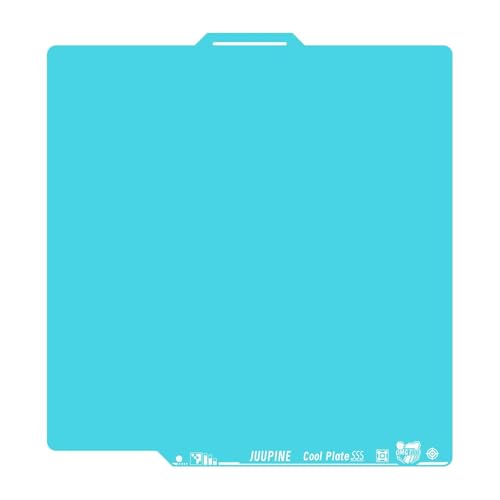
Finding the right print surface can transform a frustrating 3D printing setup into a seamless hobby, especially for newcomers who want parts to stick reliably without messy glue sticks. The SAHVAIM OMG Cool Plate is an aftermarket replacement bed designed to provide dependable first-layer adhesion at reduced temperatures across a wide variety of popular machines. If you want a smooth, clean bottom surface on your models without scrubbing liquid adhesive or glue residue off your build sheet after every run, this bed serves as a convenient and capable upgrade.
This accessory is an ideal match for beginners, gift-givers outfitting a family member’s workspace, and everyday makers who print primarily with PLA and PETG filaments. Those who prefer textured finishes on their parts or need a surface explicitly rated for high-temperature engineering plastics like nylon should look toward specialized alternative sheets instead.
SAHVAIM OMG Cool Plate at a Glance

| Attribute | Detail |
|---|---|
| Brand | SAHVAIM |
| Product Type | Supertack smooth low-temperature build plate |
| Plate Dimensions | 257 x 257 mm |
| Sheet Thickness | 0.7–0.8 mm (upgraded thickened design) |
| Core Material | High-elastic spring steel |
| Supported Filaments | PLA (30–35°C), PETG (55–65°C) |
| Printer Compatibility | Bambu Lab X2D, P2S, P1S, P1P, A1, X1, X1C |
| Automated Features | Built-in QR code recognition |
| Item Weight | 13.4 ounces |
| Package Dimensions | 11.06 x 10.51 x 0.47 inches |
Surface Adhesion and Low-Temperature Printing Performance
The defining feature of this build sheet is its proprietary Supertack smooth coating, engineered specifically to tackle the common issue of first-layer lifting. In 3D printing, the first layer acts as the foundation for the entire model; if the plastic fails to grip the bed firmly, parts can warp, shift, or fail completely mid-print. While traditional cool sheets often require slathering purple glue sticks or liquid bonding agents over the surface, this bamboo labs x2d cool plate delivers dependable grip straight out of the box without any chemical aids.
Operating as a genuine low temperature 3d printer bed, it significantly reduces the thermal demands placed on your printer during daily operation. The manufacturer specifies bed temperatures of just 30°C to 35°C for PLA and 55°C to 65°C for PETG. Running a build platform at lower temperatures keeps the internal chamber cooler, which reduces the risk of heat creep and nozzle clogging when using enclosed machines like the bamboo lab x1 carbon 3d printer.
This thermal profile makes the sheet a practical sahvaim build plate for pla, letting you start prints quickly without waiting for a thick heated bed to climb to 60°C or higher. It also saves energy over lengthy multi-hour projects while keeping edges firmly grounded during rapid printhead travel.
Spring Steel Durability and Flatness Stability
Underneath the smooth exterior lies a durable sandwich structure constructed around a high-elastic spring steel core. Cheaper aftermarket plates often cut corners with paper-thin metal that bends out of shape after a few flexing cycles, creating permanent low spots across the print area. SAHVAIM upgraded the thickness on this model to 0.7–0.8 mm, providing extra rigidity while preserving the springiness needed for model removal.
The dual high-performance adhesive layers bond the smooth outer surface directly to the metal sheet, preventing bubbling, delamination, or heat-induced blistering over extended use. This solid internal core improves magnetic coupling with the printer’s heated base, preventing the plate from shifting or lifting at the corners when printing dense, high-tension parts.
Because the finish is delicate and glossy rather than textured, it acts as a true bambu lab smooth build plate. Parts printed on this surface come away with an ultra-flat, glossy bottom layer that looks significantly cleaner and shinier than the stippled texture left behind by standard matte PEI sheets.
Print Removal and Daily Workflow Convenience
Removing completed models from a 3D printer can sometimes be the most intimidating part of the hobby for a novice, often involving sharp metal spatulas that risk gouging the bed or causing personal injury. This model functions as a dedicated easy print removal plate using an intuitive flex-and-release mechanism. Because the spring steel core retains elastic memory, you can remove the magnetic sheet from the machine, gently bend it with both hands, and watch parts pop free.
The manufacturer highlights a smart peeling design that enables part release in as little as one second once the surface cools slightly. Eliminating scrapers preserves the pristine surface coating against nicks and scratches, significantly extending the overall lifespan of the accessory. For hobbyists running continuous batches on machines like the bamboo lab p1s combo, this quick turnaround saves valuable time between prints.
Daily maintenance remains straightforward for beginners. Because the plate avoids sticky adhesives, you do not need to scrape glue residue or wash the plate under running water after every single run. Routine dusting with a lint-free cloth or an occasional wipe-down keeps the surface ready for the next project.
Machine Compatibility and Built-In QR Code Integration
The plate measures 257 x 257 mm, matching the standardized footprint of modern desktop printers from the Bambu Lab ecosystem. The listing confirms broad compatibility across models including the Bambu Lab X2D, P2S, P1S, P1P, A1, X1, and X1C. Whether you are searching for a dedicated bamboo labs x2d build plate or an extra sheet for a bamboo lab p2s, the physical dimensions align neatly with the alignment notches on the heated base.
A standout technical advantage of this accessory is the inclusion of integrated optical markers, functioning as a factory-ready bambu lab qr code build plate. High-end printers like the X1-Carbon use an automated camera or micro-lidar sensor to scan the build surface prior to initiating the print sequence. Without a readable code, the machine halts and prompts the user with an on-screen warning regarding bed mismatches.
By embedding this scannable code directly on the sheet, the plate allows full automated operation without requiring the user to paste third-party paper stickers or disable bed-detection safety features in software. This makes the overall user experience effortless, especially for users who want plug-and-play simplicity.
SAHVAIM OMG Cool Plate Pros and Cons
Two swatches, side by side. Everything on both sides is read from the product listing and from buyer feedback on Amazon – nothing here comes from handling the product.
What works
- Adhesion without glue sticks or messy adhesives
- Low bed temperature requirements for PLA and PETG
- Upgraded 0.7 to 0.8 mm spring steel core
- Integrated QR code for automatic printer detection
- Quick print removal without metal scrapers
What to check
- Only rated for PLA and PETG printing
- Smooth finish lacks textured PEI look
- Listing does not specify high-temperature filament support
Who Should Buy the SAHVAIM OMG Cool Plate
Buy It If
- You want clean first-layer adhesion for PLA and PETG prints without applying glue sticks or sprays.
- You own an optical-sensing printer like the X1C and want built-in QR code detection without manual workarounds.
- You prefer a shiny, mirror-smooth bottom surface on your decorative models rather than a rough textured PEI pattern.
- You want a thick 0.7–0.8 mm spring steel sheet that resists warping while allowing quick, tool-free print removal.
Skip It If
- You frequently print with high-temperature materials like ABS, ASA, or Nylon that require higher bed heat ratings.
- You prefer the matte, textured look of a powder-coated PEI surface to hide first-layer layer lines.
- Your printer uses a build bed size other than the standard 257 x 257 mm format.
Final Verdict
When weighing whether this accessory fits your workshop, reviewing the sahvaim cool plate specs reveals an upgrade focused squarely on convenience and cleanliness. The combination of an upgraded 0.7–0.8 mm spring steel core, low-temperature heating profiles, and an integrated machine-readable QR code directly addresses the most tedious pain points of entry-level 3D printing. You get reliable adhesion for everyday materials without turning your build bed into a sticky mess of dried glue.
So, is sahvaim cool plate worth it for your desktop setup? If your printing routine revolves primarily around PLA and PETG models and you value a glass-smooth base finish, the answer is a resounding yes. It simplifies print preparation, speeds up turnaround times with flexible model release, and integrates smoothly into modern automated printer workflows.
FAQ
Do I need to apply glue to this cool plate before printing?
No, the listing specifies that this plate features a strong Supertack coating designed to hold prints firmly in place without the use of glue sticks or liquid adhesives when printing PLA and PETG.
What bed temperatures should I set for PLA and PETG?
According to the product data, you should set your heated bed between 30°C and 35°C when printing PLA, and between 55°C and 65°C when printing PETG filaments.
Will the built-in QR code work automatically with my printer?
Yes, the integrated QR code is designed for automatic scanning by compatible Bambu printers such as the X1C, eliminating the need to apply manual sticker labels or override bed-detection warnings.
Can I use a metal scraper to remove prints from the surface?
A scraper is not required or recommended. The flexible spring steel plate allows you to pop finished models off by bending the plate gently, which protects the delicate smooth coating from gouges and scratches.
Can this plate be used with ABS or Nylon filaments?
The product listing specifically rates this build plate for PLA and PETG printing at lower temperatures. It does not list support for high-temperature materials like ABS, ASA, or Nylon.
Prices and specifications above are read from the product page and can change without notice. The score is the average left by Amazon buyers; nothing on this page comes from handling the product.